

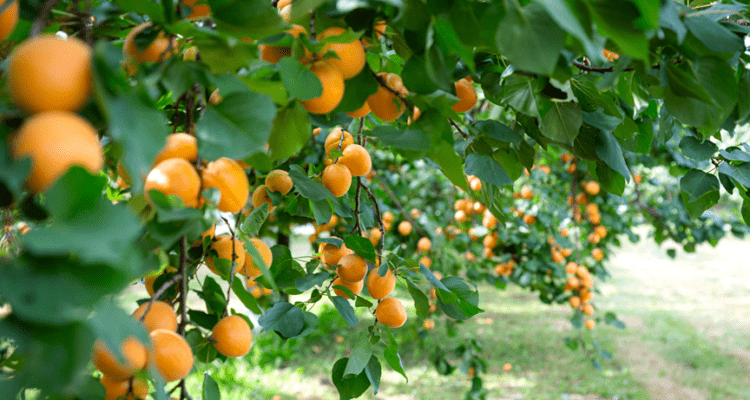
While this delicious apricot dumpling is enjoyed by all, it holds a special distinction in Germanic cuisine.
By Peter Pabisch
The term “apricot dumpling” and “dumpling” itself has many German translations and represents a mild form of language division between Northern and Southern Germany. For comprehension ease, I refer here to the dumplings of Northern Germans, north of the white sausage line or north of Bavaria and Switzerland, also known to the extreme as the Piefkes, or in a more elegant definition as the Prussians and their followers. Southerners living south of that Weißwurstlinie use different words for dumplings. It is comparable to the differences between American and British English as highlighted by Frank Sinatra’s “A Foggy Day”. German Northerners refer to apricots as Aprikosen, yet the Southerners stay with Marillen which reveals a Spanish connection as the Habsburgs were emperors of Southern Europe and Latin America as well. A district of New Mexico near Colorado is referred to as “tierra amarilla” named after its apricot-colored soil. So, the word for this delightful fleshy fruit carries a corresponding meaning for its color where Spain had a decisive influence during and since the 16th century.
To read more subscribe now! Click here!