

Many Germans have achieved international fame and some, like these, have their own museum where their lives and works are on display.
Courtesy German National Tourism Board
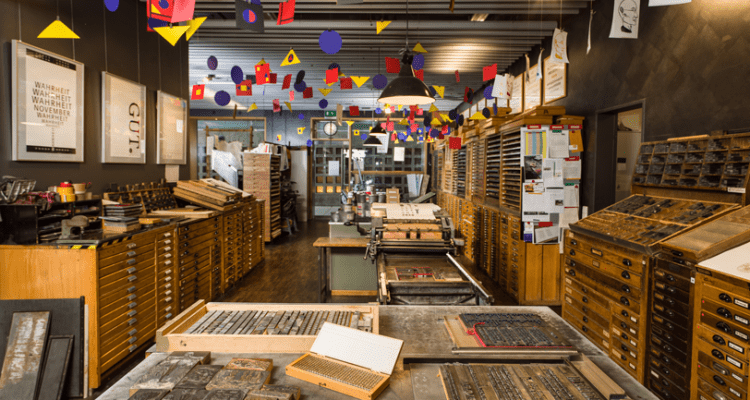
Gutenberg Museum, Mainz
The term revolutionary—in the context of Johannes Gutenberg (1393-1468)—is most certainly not an exaggeration. His invention of the printing press with movable type around 1450 radically changed the worldwide development of media and cultural history and made information accessible for everyone. A wealth of knowledge about the life and work of this man from Mainz—once voted “Man of the Millennium” by U.S. journalists—as well as over four millennia of book, printing and writing culture, can be found in the Gutenberg Museum which was founded in 1900 to commemorate the 500th anniversary of his birth. From cuneiform writing to modern typography or the “most beautiful book of the Renaissance” to the Columbia Press of 1824, both permanent and changing special exhibitions comprising several thousand objects show a unique range of this “black art” (a term used for the printing industry). Interactive learning stations such as the experimental laboratory (Print Shop) and demonstrations in the reconstructed Gutenberg Workshop add to the visitor experience. Two Gutenberg Bibles, considered the most important and valuable works in the history of printing, are displayed in a walk-in vault.
To read more subscribe now! Click here!